

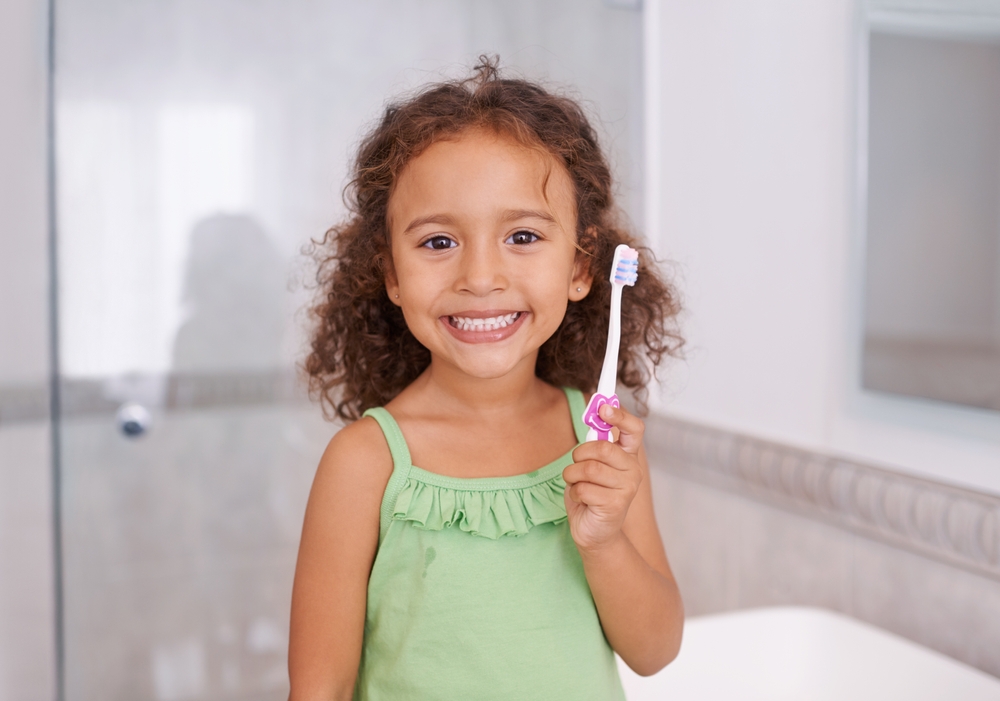
Fluoride treatment in San Diego is one of the simplest ways to help a child’s teeth stay strong through all the sticky snacks, sports drinks, and everyday wear that come with growing up. At Point Loma Children’s Dentistry, we build fluoride into a bigger picture of oral health, one that looks at your child’s diet, habits, and risk factors before deciding what actually helps. This guide walks through the questions parents ask most, along with a few habits that make fluoride work even better between visits.
How Fluoride Strengthens Growing Teeth
Enamel is constantly gaining and losing minerals throughout the day. Every time your child eats something sugary or acidic, tiny mineral losses start to happen on the tooth surface. Fluoride helps reverse that process by encouraging minerals to redeposit into weak spots before they turn into actual cavities. It also makes it harder for decay-causing bacteria to thrive.
On its own, fluoride isn’t a substitute for brushing or a balanced diet. It works alongside those habits, adding a layer of protection for kids who snack often, drink juice or soda, or have braces that trap food along the gumline.
Who Should Consider Fluoride Treatment in San Diego
Most children benefit from fluoride at some point, but a few groups tend to need it more consistently:
- Kids with a history of cavities or visible white spots on their teeth
- Children who snack frequently or drink sugary beverages between meals
- Kids wearing braces or other orthodontic appliances
- Families in areas where the local water supply has little to no fluoride
We look at each child individually rather than applying a one-size-fits-all schedule. A toddler with early enamel weakness needs a different plan than a teenager juggling sports, braces, and a busy schedule. If you’re not sure where your child falls, our team, including Dr. Wilson, can walk you through it during a checkup.
Pediatric Fluoride Application in San Diego: What to Expect
A pediatric fluoride application in San Diego is quick and doesn’t require much from your child beyond sitting still for a few minutes. During the visit, we typically:
- Do a short exam to check for cavities or areas of concern.
- Apply a fluoride varnish that hardens almost immediately on contact with saliva.
- Give quick aftercare notes, mainly asking families to hold off on brushing for a few hours.
The varnish itself has a mild taste, and most kids barely notice it going on. Parents are welcome to stay close by during the process, and our staff talks kids through each step so nothing feels rushed or unfamiliar.
How Often Kids Need Fluoride
There’s no single answer here, since it depends on your child’s risk level:
- Low risk: fluoride at routine six-month checkups
- Moderate risk: every three to six months
- High risk: a more individualized schedule based on ongoing evaluation
Dr. Nora Tleel and our team reassess this over time, since a child’s risk can shift as diet, habits, or dental work change. Kids who get braces partway through the year, for example, often need more frequent fluoride while brackets and wires are in place.
Is Fluoride Safe for Kids
Yes, when it’s applied in the amounts recommended for children’s age and weight. Side effects are uncommon and usually mild: occasional stomach upset if a child swallows a larger amount than intended, or faint white spots on enamel from repeated overexposure at very high levels. We follow age-based dosing guidelines closely and talk parents through the plan so there are no surprises. If your child has swallowing difficulties or other medical considerations, let us know beforehand so we can adjust our approach.
Supporting Fluoride at Home
Treatments at our office go further when they’re backed up by good habits at home:
- Brush twice daily with a pea-sized amount of fluoridated toothpaste for kids three and older.
- Swap sugary drinks for water between meals.
- Start flossing as soon as two teeth touch.
- Keep up with regular checkups so we can catch small issues early.
None of these habits need to be complicated. Small, consistent choices add up over months and years, which is really what preventive dentistry is about.
Scheduling a Visit
If you’ve been weighing whether fluoride makes sense for your child, our contact page is the easiest way to reach our office and get a visit on the calendar. You can also read more about Dr. Wilson and Dr. Nora before your first appointment, so your child sees a familiar face when they walk in. Our office is easy to find right here, and if you have questions about billing or coverage, our membership option is worth asking about at checkout.
For kids who need more than a routine visit, we also handle dental emergencies and pediatric crowns when a tooth needs more support than fluoride alone can offer. And if you’re curious about what else falls under our care, our FAQ section covers a lot of the smaller questions parents bring up between visits.
Bring your questions, bring your kid’s wiggles and all, and we’ll figure out the right plan together.